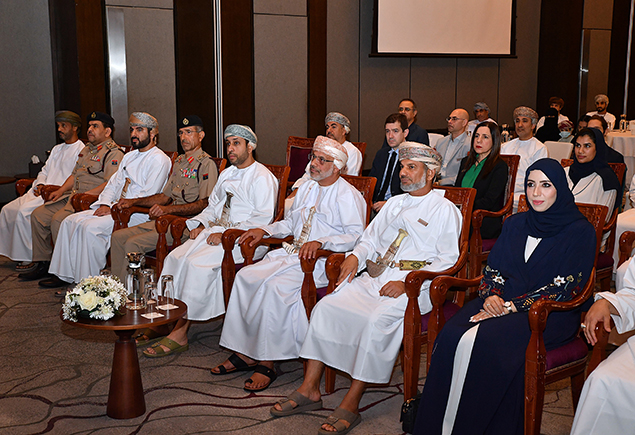
The 24th Arab Conference on Modern Methods in Hospital Management, hosted by the Sultanate of Oman and organized by the Ministry of Health and the Arab Administrative Development Organization of the Arab League, in partnership with Al-Mouwasat Medical Services, concluded Thursday at the Sheraton Hotel in Muscat with a set of key recommendations aimed at strengthening integration across the health sector after two days of productive dialogue, exchange, and engagement.
Participants emphasized the need to enhance collaboration among the public sector, the private sector, and the third sector (nonprofit organizations) to ensure equitable access to health services. The conference stressed the importance of the public sector clearly identifying service gaps to be addressed by private and nonprofit entities, whether in terms of medical specialties or geographic coverage.
The conference also called for the establishment of effective national and regional disaster and health emergency response systems based on cross-sector integration. This includes developing shared early warning and crisis management platforms, as well as organizing joint training programs and simulation exercises to test preparedness plans and clarify sectoral roles during health crises.
In addition, participants recommended the development of enabling legislation to promote cross-sector financing partnerships and modern funding models, including health endowments, health insurance, cooperative insurance schemes, corporate social responsibility initiatives, and nonprofit health organizations.
The conference underscored the importance of building governance frameworks for cooperation among health sectors to clearly define roles, reduce duplication, enhance transparency, and build trust among partners.
Participants further advocated for adopting advanced digital transformation models based on electronic integration among health facilities across sectors, with a strong focus on artificial intelligence, digital health systems, and virtual medicine.
Investment in developing health leadership capacities was highlighted as a priority, particularly in areas such as partnership governance, crisis management, and innovation. The conference recommended the launch of joint Arab training programs to promote cross-sector collaboration and health system transformation.
The conference commended the launch of the first edition of the Mohammed Al-Sulaim Award for Excellence in the Health Sector and recommended its continuation and support to ensure the achievement of its objectives. Universities and research centers were encouraged to participate annually in the award’s research competition and to publish winning papers on Arab scientific platforms.
Participants urged the public health sector to support the private sector through government facilitation programs, while encouraging private sector entities to direct a larger share of their corporate social responsibility contributions toward nonprofit health organizations, enabling them to play a more effective role in strengthening health systems.
The conference also stressed the need to expand cooperation among the three sectors in health sector investments, including the development of health infrastructure, the construction and operation of hospitals and health centers, and investment in digital health and its applications in collaboration with technology companies. Such efforts are expected to foster innovative solutions for treatment and care management, particularly in light of advances in artificial intelligence and their impact on preventive and therapeutic health systems.
Participants highlighted the importance of raising awareness of preventive health planning and adopting the “Health in All Policies” approach, with a focus on directing health expenditure toward prevention in a manner that supports health economics principles.
The conference further recommended the establishment of an Arab Health Insurance Network under the umbrella of the Arab Administrative Development Organization, aimed at unifying efforts in the field of health insurance and facilitating the exchange of expertise among health insurance authorities across Arab countries, within a structured professional framework that supports universal health coverage in the region. The organization was invited to take the necessary steps to activate these recommendations.
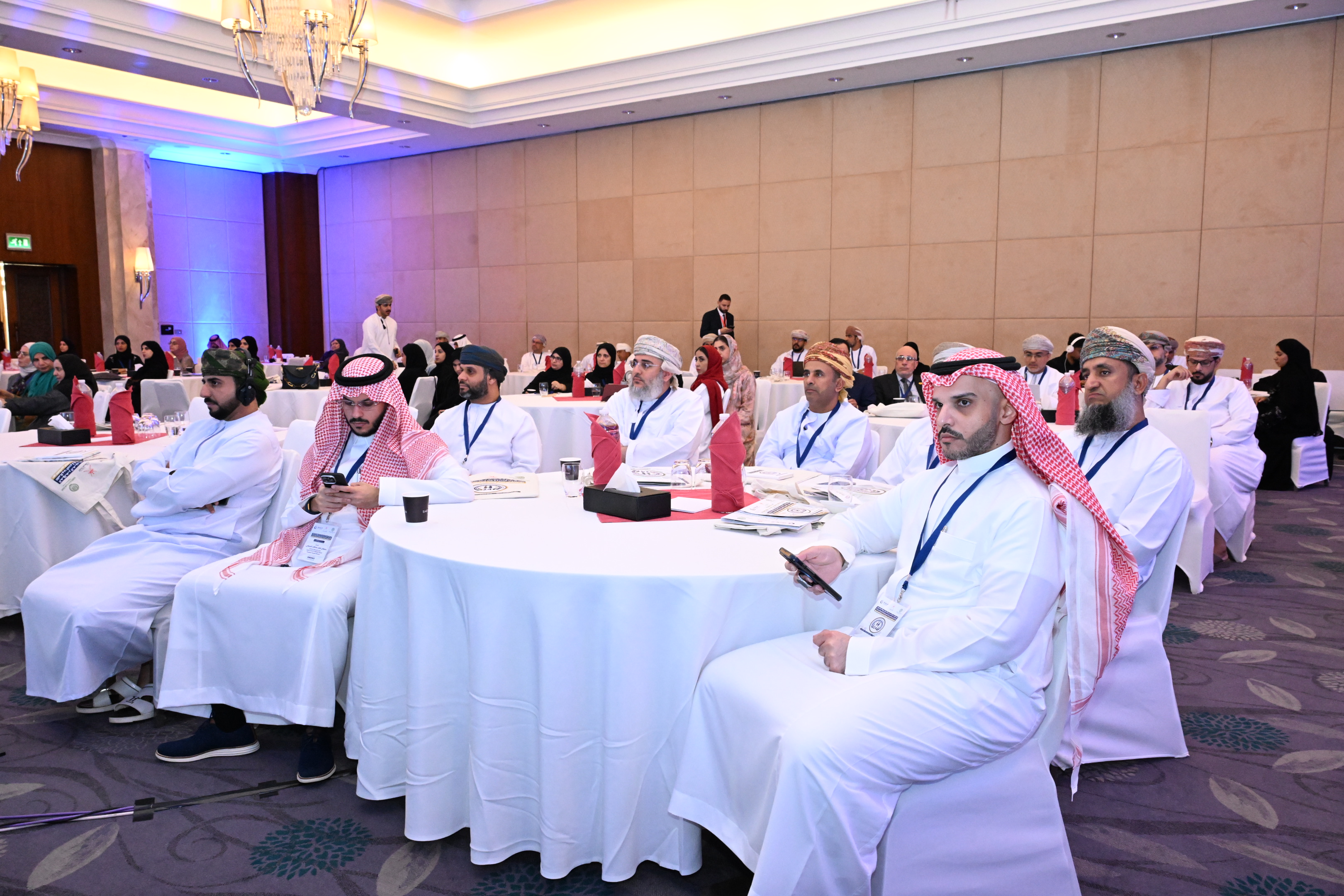
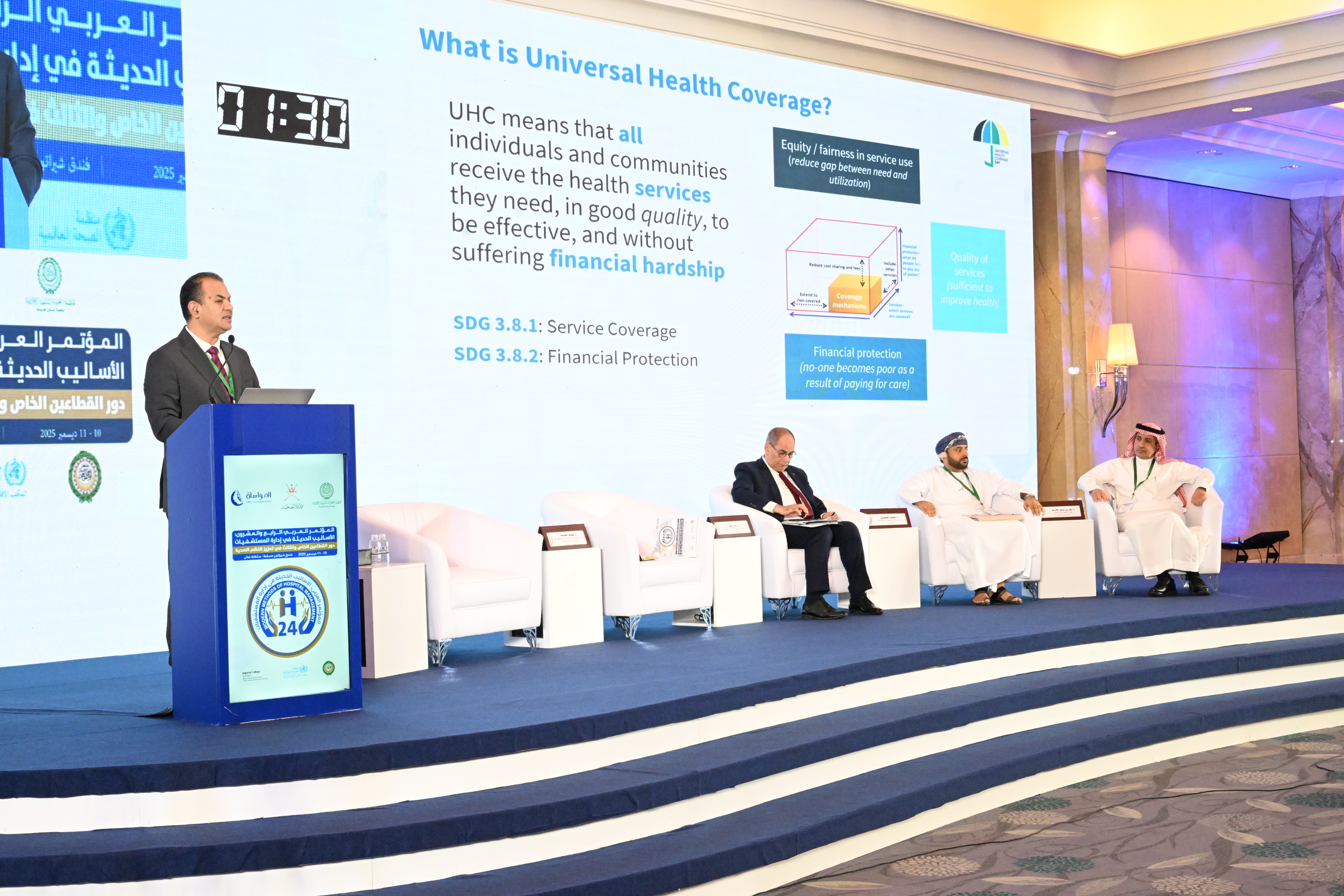
The conference brought together a select group of specialists and healthcare experts from across the Arab world. Throughout its sessions, participants explored modern administrative approaches to hospital management and exchanged experiences and best practices among Arab healthcare leaders. Discussions centered on enhancing the quality of health services, ensuring sustainable healthcare systems, and addressing challenges facing the region’s health sector. Speakers emphasized the importance of innovative strategies, cross-sector collaboration, and synergy between the public, private, and third (nonprofit) sectors.
On the second day, the conference resumed its panel discussions. The third session examined mechanisms for integration among the public, private, and third sectors, focusing on transparency, trust-building, and effective governance as foundations for sustainable cooperation. It also addressed the development of administrative and technical competencies needed to establish successful partnerships.
The fourth session, titled “Opportunities and Enablers of Integration between the Public, Private, and Third Sectors,” explored the role of private and nonprofit entities in supporting innovation and healthcare entrepreneurship. It also discussed digital connectivity between public and private health systems, strengthening integration amid digital transformation and artificial intelligence, and the importance of preventive healthcare in both public and private hospitals to build a healthier future.
The fifth session highlighted regional and international experiences in cooperation among the three sectors. Presentations included the 57357 Hospital’s model for community-funded healthcare, Shifa Hospital’s initiatives to improve health services, Kuwait’s experience in utilizing private and charitable contributions to finance healthcare projects, Saudi Arabia’s Health Endowment Fund, and Jordan’s multi-sector coordination in managing health crises.
In the sixth session, winners of the Mohammed Al-Sulaim Award for Excellence in the Health Sector presented their research papers, followed by a closing ceremony honoring conference participants and a group photo.
At the conclusion of the conference, participants expressed their sincere appreciation to the Sultanate of Oman—its government and people—for hosting the event, and extended thanks to Oman’s Ministry of Health, the Arab Administrative Development Organization, and Mouwasat Medical Services Company of Saudi Arabia for organizing the conference.
They also conveyed their gratitude to His Excellency Dr. Hilal bin Ali Al Sabti, Minister of Health, and His Excellency Dr. Ahmed Al Mandhari, Undersecretary for Planning and Health Regulation, for their constructive cooperation, generous hospitality, and warm reception.
Appreciation was further extended to ministers, senior officials, and expert speakers whose practical and constructive insights enriched the conference and contributed to addressing the challenges, opportunities, and enablers of integration among the public, private, and nonprofit health sectors.
The conference underscored the pivotal role of integrating public, private, and third-sector efforts in strengthening health systems—particularly in achieving universal health coverage and ensuring financial sustainability in healthcare projects. It also highlighted challenges, opportunities, key enablers of integration, and successful regional and global models that can guide future development in the sector.