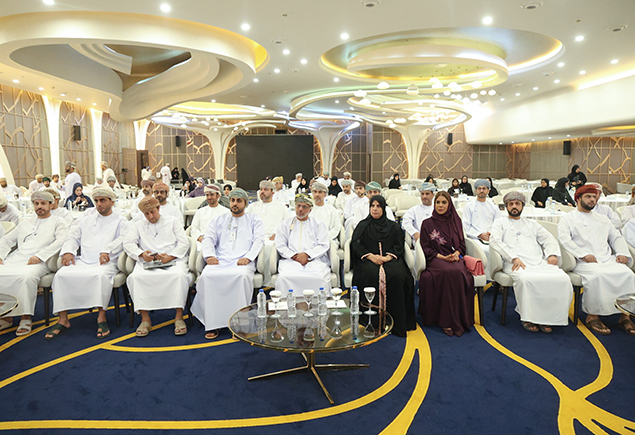
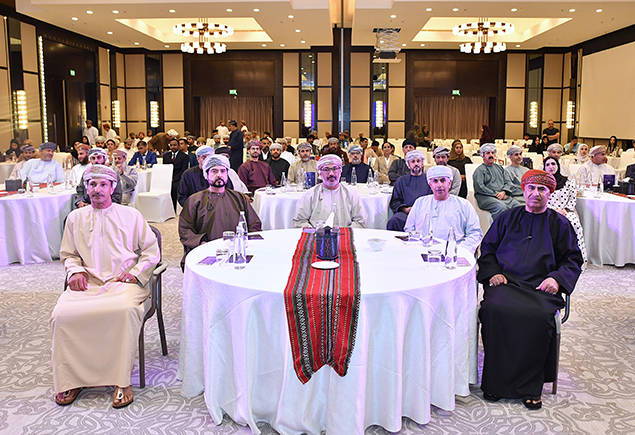
As part of ongoing national efforts to entrench a culture of institutional excellence and enhance the efficiency of government performance, the Department of Institutional Excellence at the Ministry of Health organized today (Monday) an introductory workshop titled “Leading Institutional Excellence in the Health Sector: Towards Achieving Sustainable Impact Through Institutional Proficiency Methodologies”.
The workshop was inaugurated under the patronage of His Excellency Dr. Saeed bin Harib Al Lamki, MOH's Undersecretary for Health Affairs and Head of the Institutional Performance Team. A number of leaders, officials, and specialists from various health institutions took part in the event.
In his welcoming address, Dr. Al Lamki affirmed that institutional excellence is no longer an option but a strategic necessity for raising the competitiveness of institutions and enhancing their capacity to adapt to changes. He underscored the importance of adopting an institutional approach based on innovation, sustainability, and value creation.
Dr. Sheikha Al Hajri, Director of Institutional Excellence, delivered a presentation on the latest developments of the system for the year 2026. She outlined the general framework for institutional proficiency standards and their associated measurement indicators. These include leadership and strategic planning indicators, human capital and institutional culture, partnership and operations, and beneficiary satisfaction. She also covered assessment mechanisms, challenges, and proposed solutions, while reviewing best administrative practices that contribute to achieving sustainable results and tangible impact.
Dr. Mohammed Al Ghafri, Director of Oman Vision 2040 Implementation Follow-up Office, discussed the role of the institutional proficiency system as an enabling tool to achieve the goals of the national vision. He emphasized the importance of aligning institutional plans and initiatives with strategic priorities to enhance implementation efficiency and raise the level of developmental impact.
The event further included a presentation on indicators for innovation, customer satisfaction, governance, and environment and society. The role of these indicators in achieving a balance between institutional performance and social responsibility, as well as fostering a work environment conducive to innovation and supportive of the principles of transparency and sustainability were highlighted.
The workshop also witnessed constructive interaction from participants and decision-makers during a concluding discussion session. A range of views were presented, resulting in recommendations focused on enhancing integration among entities, developing measurement and assessment tools, and investing in national capacity building in the field of institutional excellence. These efforts aim to achieve qualitative and sustainable outcomes.
The workshop aimed to empower health sector leaders to understand the significant updates within the institutional proficiency system and enhance their readiness to apply excellence standards using modern methodologies. These efforts contribute to achieving institutional integration, raising performance efficiency, and improving the quality of health services provided, in line with the goals of Oman Vision 2040.
It is worth noting that this workshop is part of an integrated system of initiatives implemented by the Institutional Excellence Department. These initiatives are aimed at solidifying the concepts of institutional proficiency, raising the level of institutional readiness to apply best practices, and achieving targeted indicators. This supports the realization of sustainable institutional excellence and contributes to advancing the comprehensive development journey in the Sultanate of Oman.