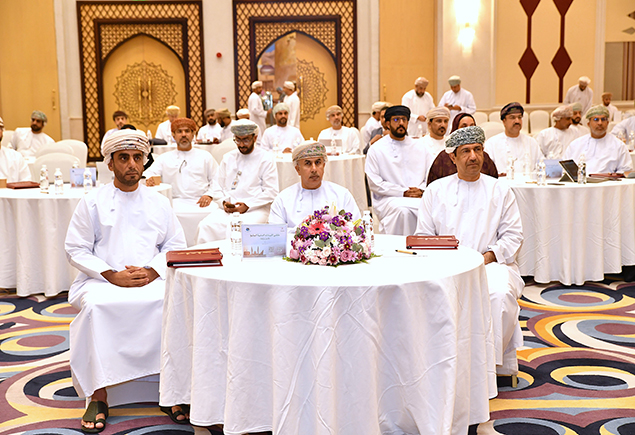
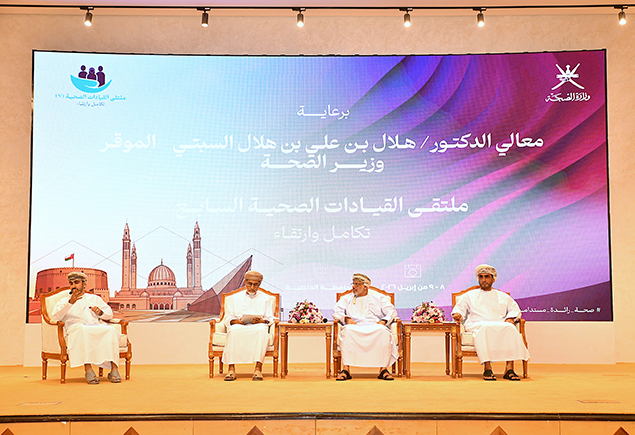
The Ministry of Health (MOH) today (Thursday) concluded the Seventh Health Leadership Forum, which was held over two days at the Intercity Hotel Nizwa in Al Dakhiliyah Governorate under the theme “Integration and Advancement.”
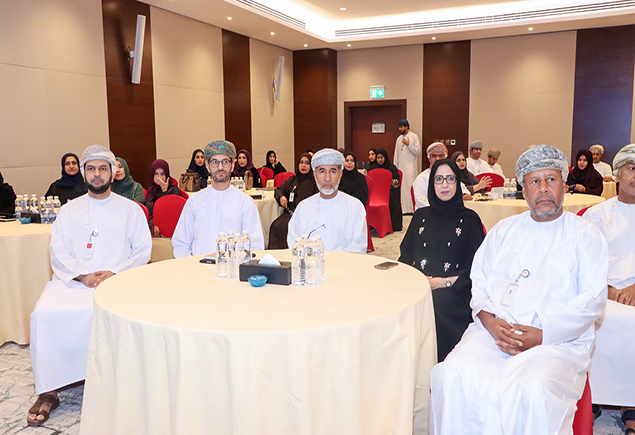
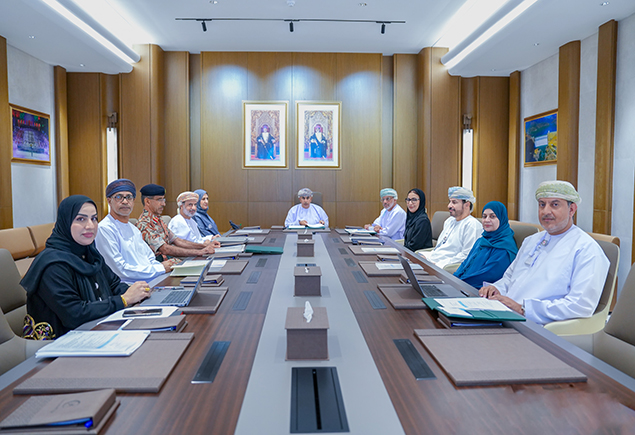
The Forum was held under the patronage of H.E. Dr. Hilal bin Ali Al Sabti, Minister of Health, and was attended by several of Their Excellencies, Directors General of Health Services, hospital directors from various governorates of the Sultanate of Oman, as well as directors of departments affiliated with the Office of the Minister of Health.
The second day of the forum featured a series of scientific and panel sessions focusing on developing the national health system and enhancing its institutional efficiency.
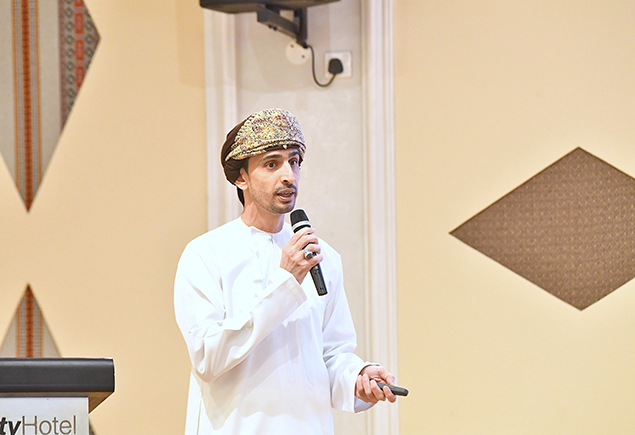
Dr. Bader bin Talib Al-Alawi, MOH Director of the Health System Governance Center, delivered a presentation highlighting the Center’s mandate and its pivotal role in improving the efficiency of the healthcare system and enhancing institutional performance at the national level, thereby contributing to achieving the health sector’s targets. He also reviewed the regulatory frameworks governing the formation of committees and teams within the Ministry of Health, as well as internationally recognized best practices in this field, ensuring clarity of roles, effective decision-making, and strengthened institutional governance.
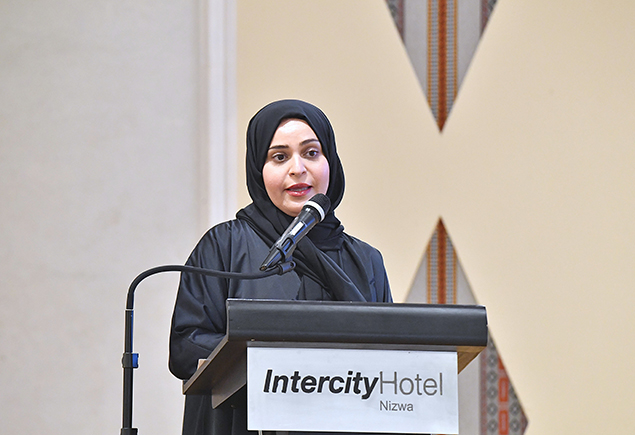
Dr. Qamra bint Said Al-Sariri, MOH Director General of the Quality Assurance Center, presented the “Nabdh Al Shifa” platform, a national smart platform developed by Omani expertise in quality, statistics, and information technology. The advanced electronic platform aims to support decision-making by providing interactive statistical data and real-time indicators through a unified dashboard, utilizing the latest global technologies and artificial intelligence, and drawing its data from various Ministry of Health institutions via the Al-Shifa system.
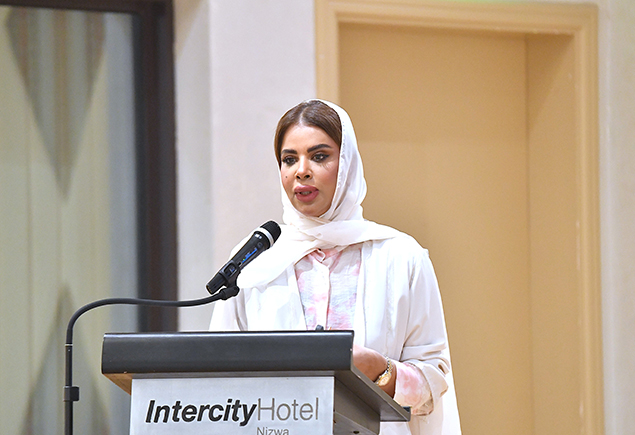
In another session, Dr. Shatha bint Saud Al-Raisi, MOH Director of the Non-Communicable Diseases Department, reviewed the pillars of the national response to non-communicable diseases in the Sultanate of Oman, emphasizing the importance of the national monitoring framework in tracking progress, identifying gaps, and guiding health priorities based on national evidence.
Furthermore, Al-Raisi highlighted the framework’s alignment with national and international strategic goals, notably Sustainable Development Goal 3.4, Oman Vision 2040, and the global monitoring framework adopted by the World Health Organization.
The Director of the Non-Communicable Diseases Department also discussed key findings from the National Survey on Non-Communicable Diseases and Risk Factors 2025, which indicated a continued rise in several risk factors associated with chronic diseases, including tobacco use, unhealthy dietary patterns, and physical inactivity, in addition to indicators of high blood pressure, elevated blood sugar and cholesterol levels, and increased rates of overweight and obesity.
The second day’s program also included a panel discussion titled “One Vision: Leading the Integrated Response to Non-Communicable Diseases,” moderated by Dr. Al-Mutasim bin Mohammed Al-Mamari, Head of the Identity and Communication Team. The session featured H.E. Dr. Ahmed bin Salim Al-Mandhari, MOH Undersecretary for Health Planning and Regulation; H.E. Dr. Said bin Harib Al-Lamki, MOH Undersecretary for Health Affairs; and Dr. Ali bin Abdullah Al-Muqbali, Director General of Health Services of Al Dakhiliyah Governorate.
The Forum concluded with a set of key recommendations aimed at enhancing leadership awareness of the importance of adopting an integrated national response to non-communicable diseases, translating national directions into actionable local priorities, strengthening shared understanding of roles and responsibilities between central and field levels, and leading multi-sectoral efforts.
The recommendations also emphasized expanding national partnerships with entities outside the health sector and integrating the prevention and control of non-communicable diseases into governorate development plans, in alignment with the objectives of Oman Vision 2040.