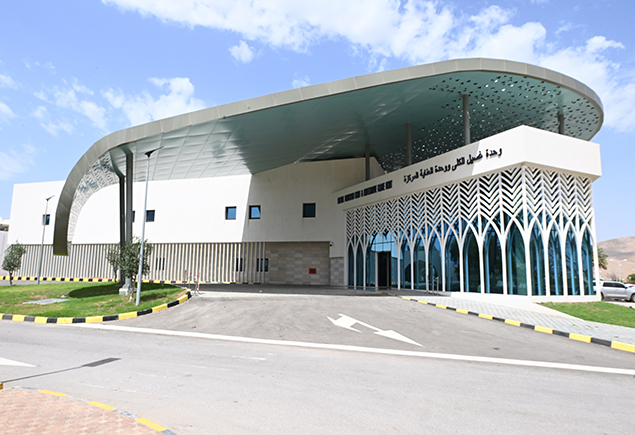
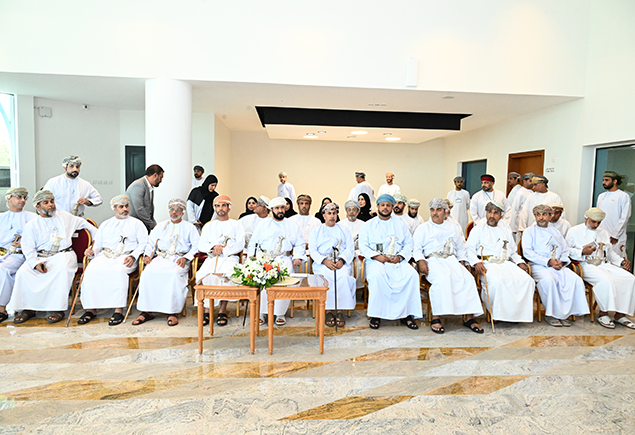
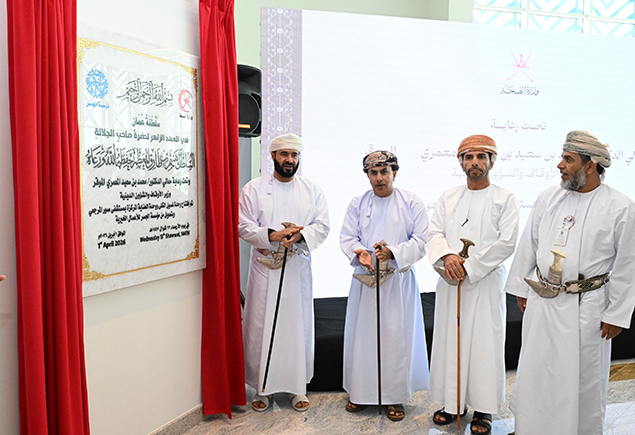
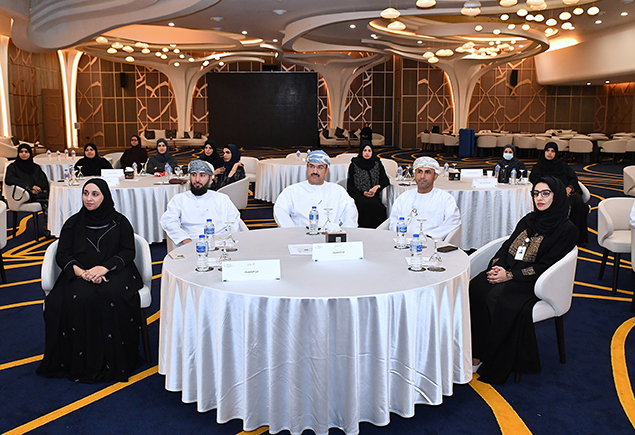
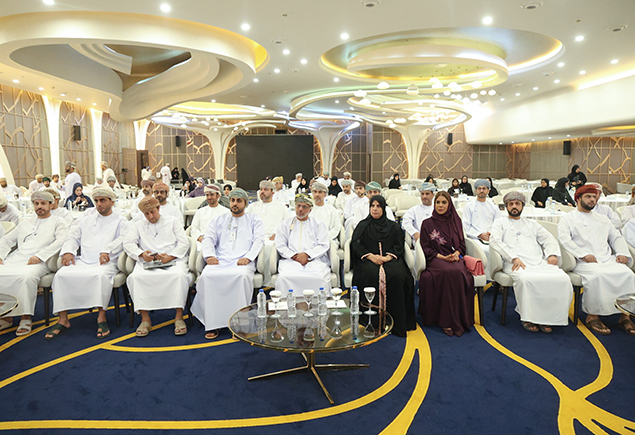
The new expansion of Sur Referral Hospital in South Al Sharqiyah Governorate opened today (Wednesday) under the patronage of H.E. Dr. Mohammed bin Said Al-Mamari, Minister of Endowments and Religious Affairs, and attended by H.E. Dr. Hilal bin Ali Al Sabti, Minister of Health, along with several senior officials and representatives from the health sector.
This vital project is an extension of ongoing national efforts to advance the healthcare system and strengthen the readiness of medical institutions to meet the growing demand for health services, in line with strategic directions to deliver integrated healthcare in accordance with the highest standards of quality and efficiency.
The project was implemented in partnership between the Ministry of Health and Al Jisr Foundation.
Dr. Yahya bin Humaid Al Masroori, Director of Sur Hospital, delivered a speech affirming that the Ministry of Health continues to pursue health objectives based on international standards. He noted that the achievement represents dedicated efforts to develop healthcare services that meet population needs through building a sustainable and decentralized institutional system, and by providing a motivating work environment that supports continuous professional development, ultimately enhancing the quality of care delivered.
He highlighted that strengthening community partnerships is one of the key pillars supporting the health sector, emphasizing the importance of role integration between the Ministry of Health and various sectors, particularly the third sector, to achieve sustainable health development.
Al Masroori also commended the significant contribution of Al Jisr Foundation, which provided generous support for constructing the dialysis and intensive care units building, demonstrating responsible national awareness that accelerated project implementation and helped overcome challenges.
The ceremony program included a visual presentation delivered by Eng. Yousuf bin Yaqoub Ambu Ali, MOH Director General of Projects and Engineering Services, in which he reviewed the project’s implementation phases and components. He indicated that the project was designed in accordance with modern healthcare planning principles that ensure operational efficiency, streamline service delivery, and enhance the Hospital’s readiness to handle various cases, particularly critical and specialized ones.
The MOH Director General of Projects and Engineering Services pointed out that the project comprises (58) beds distributed across two floors. The ground floor houses an integrated dialysis unit with a total capacity of 28 beds, including two main treatment halls accommodating 18 beds, in addition to (4) isolation rooms with a combined capacity of 10 beds, along with a range of service and administrative facilities equipped in accordance with the latest medical and technical standards.
Ambu Ali added that the first floor houses the intensive care unit with a capacity of 30 beds, distributed across an eight-bed pediatric intensive care hall and a 12-bed adult intensive care hall, in addition to a 10-bed cardiac care unit, thereby enhancing the Hospital’s ability to deliver advanced specialized services with high efficiency.
It is worth mentioning that the building has received several national and international awards in green hospital practices, emissions efficiency, and sustainable energy use, positioning it as a leading model in the Middle East for adopting sustainable design concepts.
Furthermore, the project earned recognition from specialized international bodies and achieved Leadership in Energy and Environmental Design (LEED) certification, reflecting its adherence to the highest global standards for environmentally friendly healthcare facility design.