Obesity Control Strategies in Oman Discussed

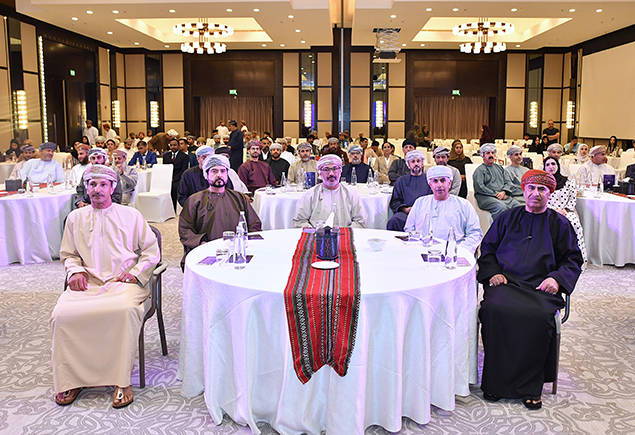
The Ministry of Health represented by the National Diabetes and Endocrine Center of the Directorate General of Royal Hospital and the Non-Communicable Diseases Control Department from the Directorate General of Primary Health Care organized today (Wednesday) a workshop to discuss the regional recommendations for the treatment and management of adult obesity in the Gulf and Lebanon in collaboration with the World Obesity Federation.
The virtual event was held under the auspices of His Excellency Dr. Ahmed bin Mohammed Al-Saidi, Minister of Health.
The workshop aimed to review the recently launched regional recommendations for the treatment and management of Obesity in Adults in the Arab Gulf region and Lebanon, which was launched in October 2020, and discuss its implementation in Oman.
Participants of this workshop included all relevant departments and individuals involved in the prevention and management of Obesity in Oman’s Ministry of Health.
Participants discussed all aspects of providing services for managing obesity in Oman, including the current opportunities and challenges. The workshop was also an opportunity for all participants to establish realistic steps to improve the treatment and management of obesity in adults in Oman.
Professor John Wilding, the President of the World Obesity Federation, referred to the growing burden of obesity globally and discussed the efforts made by the World Obesity Federation in raising awareness and the introduction of feasible interventions to reduce this burden.
In his speech, HE Dr. Ahmed Mohammed Al Saidi pointed to the increasing rates of obesity in the Sultanate of Oman, especially among women, and the increasing burden on society due to the rise of risk factors, especially physical inactivity and unhealthy food intake. His Excellency also pointed to the important role that the health sectors play in ensuring the development of a clear and integrated pathway which will help remove society’s stigma of obesity and encourage patients to seek much-needed help.
Dr. Noor Al Busaidi, Director of the National Diabetes and Endocrine Center and President of the Oman Diabetes Association, reviewed the most important epidemiological results and the progress made in development and implementation of programs and initiatives aimed at dealing with the challenges of obesity in the Sultanate.
Dr. Amira Al Kharousi, a specialist in obesity clinical management at the center, explored the various items of recommendations to acknowledge them before the discussion.
Three discussion sessions were held titled: opportunities and what can be learnt from the experiences in other diseases, challenges, and what should be focused on to start creating change, and next steps and positive changes that should be implemented.
The sessions were concluded with a review of the most important talking points presented by Dr. Shatha Al Raeesa, Director of the Department of Non-Communicable Diseases Control.
The World Health Organization defines Obesity and Overweight as an abnormal or excessive fat accumulation that presents risks to health. Obesity increases the risk of diseases and health problems associated with chronic diseases such as heart disease, diabetes, and high blood pressure, with over 4 million people dying each year due to being overweight or obese in 2017 according to the global burden of disease.
In 2017, the National Non-communicable disease Survey reported that 66 % of the population in the sultanate of Oman suffers from overweight and obesity. The Prevalence of Obesity in the sultanate of Oman has reached 23.2% among males and 39.3% among females. Statistics also indicated the increasing incidence of obesity and overweight among children and those in the younger age groups, which means that this age group will suffer from the risk of chronic diseases in the future. Therefore, it is crucial to introduce substantial efforts to prevent obesity and reduce its social, psychological, and economic burden on individuals and society.
The recently published Case for investment in non-communicable diseases in Oman demonstrated that investing in four packages of economically feasible interventions in the next 15 years should help provide a significant return on investments. The most important of these interventions was to scale up policies and measures to reduce salt consumption, which achieves the highest economic return (Omani 8.6 OMR for each one OMR). The study also indicated that investing in the four packages would help save at least 19000 lives and reduce the incidence of diseases, including obesity.