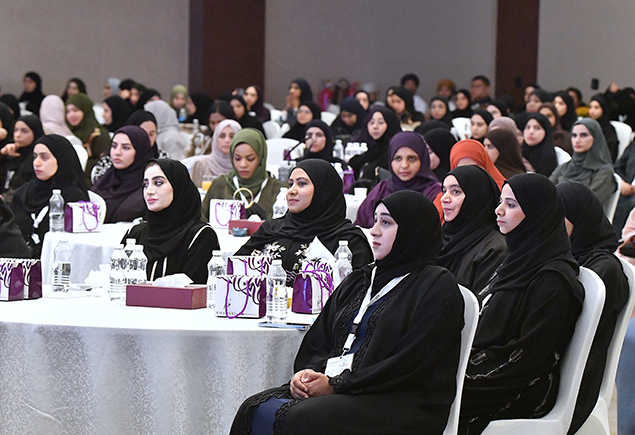
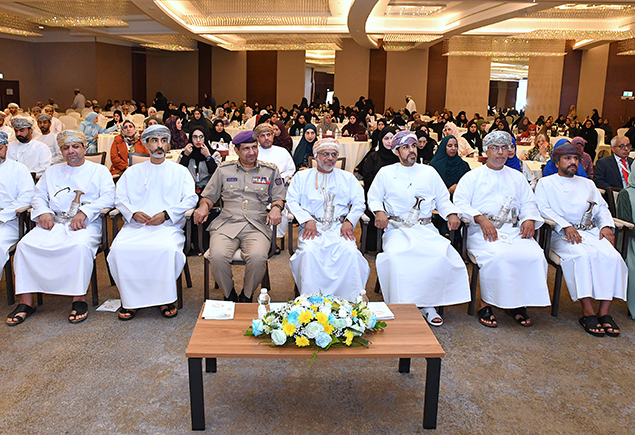
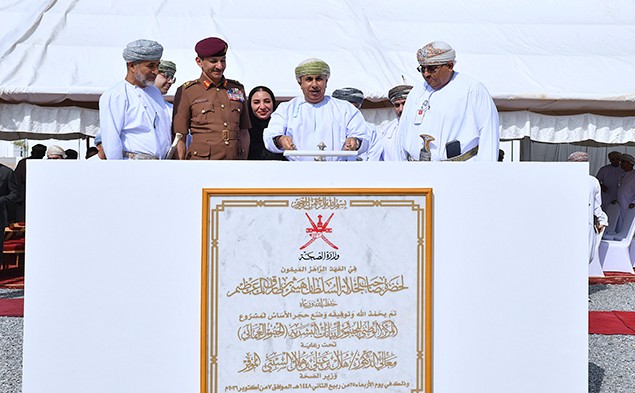
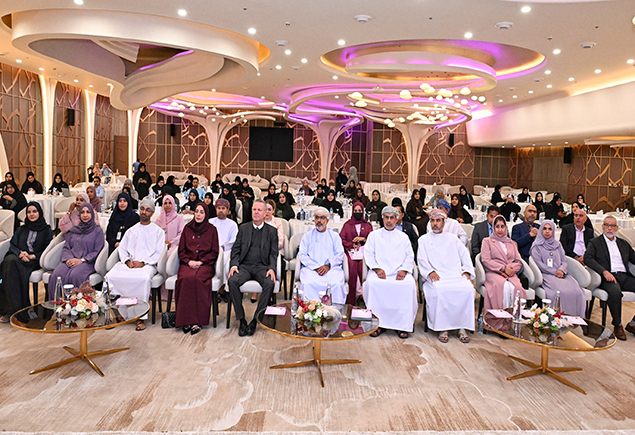
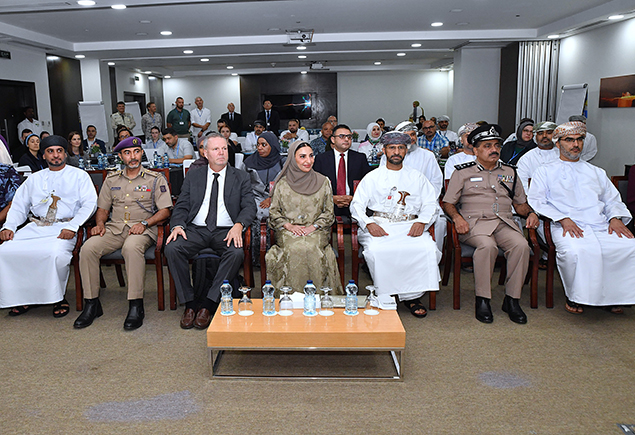
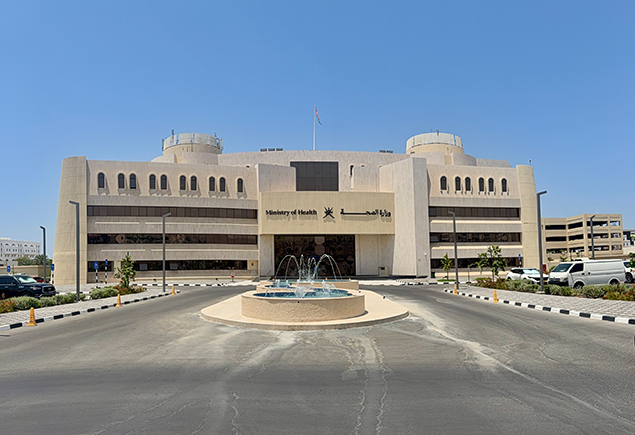
Al Masarra Hospital hosted Today (Thursday) the Oman International Mental Health Conference 2026 under the patronage of H.E. Dr. Saeed bin Harib Al-Lamki, Undersecretary of the Ministry of Health for Health Affairs at the Intercity Hotel Muscat in Al Khuwair. The conference brought together a distinguished group of specialists and experts in psychiatry and mental health, child and adolescent medicine, forensic psychiatry, clinical pharmacy, innovation, and scientific research.
The conference was organized as part of Al Masarra Hospital’s efforts to promote the exchange of specialized expertise and knowledge in mental health, highlight the latest scientific trends and practices, and provide a platform for professional dialogue and discussion of the challenges and opportunities associated with advancing mental health services.
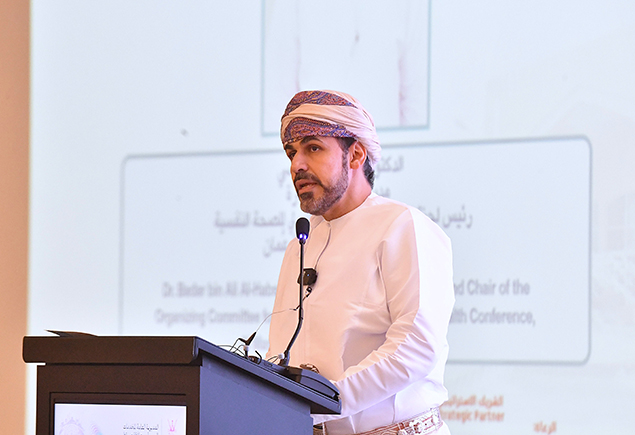
The conference opened with a welcome address delivered by Dr. Badr Al-Habsi, Director of Al Masarra Hospital, who explained that the conference serves as a platform that brings together knowledge, expertise, and human dialogue. He emphasized the importance of listening to the experiences of service users, understanding and respecting their needs, and involving them as genuine partners in their journey towards recovery, emphasizing that listening is the beginning of understanding, and understanding is the beginning of change.
He further noted that this approach is aligned with the objectives of Oman Vision 2040 to build a leading healthcare system based on international standards, with a focus on quality, the development of national competencies, the advancement of scientific research and innovation, and the use of technology and artificial intelligence to enhance healthcare services. He added that Al Masarra Hospital aspires to become a leading institution in psychiatry that meets international standards by 2040.
Dr. Badr also highlighted Al Masarra Hospital’s efforts to develop an integrated mental health services system, strengthen specialized services and therapeutic and rehabilitation programmes, invest in the training and professional development of healthcare personnel, and support scientific and research initiatives. These efforts are complemented by the expansion of community-based and awareness programmes that contribute to raising mental health awareness and reducing the stigma associated with mental health disorders.
In his address, he highlighted the importance of artificial intelligence and emerging technologies in advancing mental health services, noting their potential in the areas of diagnosis, treatment, prevention, and access to care. He stressed, however, that technology remains a tool that enhances human efforts rather than replacing the human element, emphasizing that listening, empathy, trust, and human connection will remain at the heart of mental healthcare.
The conference also featured a specialized exhibition showcasing artificial intelligence, innovation, and scientific research in mental health, highlighting the importance of leveraging emerging technologies and supporting scientific research to advance mental health services and practices.
The scientific programme featured three main sessions covering a diverse range of specialized topics, with the participation of experts and specialists from the Sultanate of Oman, the United Kingdom, Iraq, Qatar, and Canada.
The first session addressed a range of topics, including biomarkers and future diagnostic criteria for Alzheimer’s disease, the role of religious healers in addressing mental health conditions, the integration of artificial intelligence into mental health care and addiction treatment, as well as Oman’s Petroleum Development Company’s experience in supporting mental health and well-being.
The second session focused on attention-deficit/hyperactivity disorder (ADHD) across the lifespan, early intervention for psychosis in Arab countries, recent advances in the treatment of schizophrenia, and a clinical case presentation on suicide by proxy.
The third session covered a number of specialized topics, including the safety of intranasal esketamine spray for the treatment of treatment-resistant depression, the development of long-term management strategies for patients with schizophrenia, and violence risk assessment. These discussions enriched the scientific dialogue on a range of contemporary issues in mental health.
The conference also featured panel discussions that provided participants with opportunities to engage with speakers and exchange experiences and perspectives on the topics addressed.
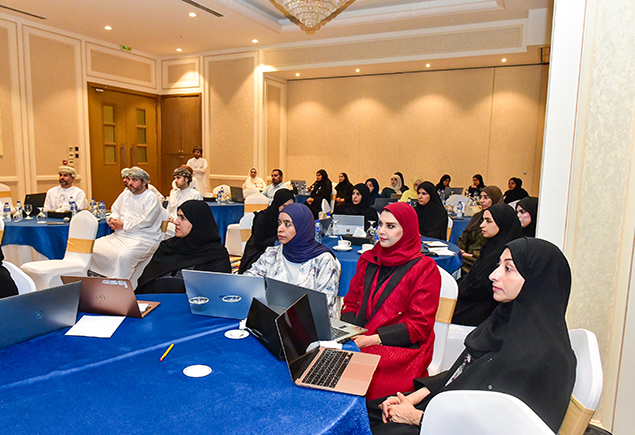
As part of the conference’s accompanying programme, three specialized workshops were organized, bringing together diverse groups of public- and private-sector employees and members of the community.
The first workshop, titled “Our Children in the Age of Artificial Intelligence: Opportunities and Challenges for Mental Health – Intergenerational Dialogues and Debate,” targeted members of the community as well as public- and private-sector employees, with 30 participants. The workshop focused on the impact of artificial intelligence on how children and adolescents think and learn, its implications for social relationships and digital communication, and the role of smart devices in children’s speech and language development.
The second workshop, titled “Psychological Skills That Make a Difference: Therapeutic Communication and Motivating Change,” targeted health educators, social workers, psychologists, and psychological counsellors working in healthcare and educational institutions, as well as community health and school health nurses, with 30 participants.
The workshop featured a discussion session on health education as a bridge for communication between the healthcare team and service users, followed by a lecture on effective therapeutic communication in healthcare and community settings.
The third workshop, titled “The Leader Who Makes a Difference: How Does Leadership Influence Mental Health, Loyalty, and Productivity?”, targeted leaders, heads of departments, and heads of units, with 50 participants. The workshop addressed several topics related to the mental well-being of leaders, including leaders’ mental health and maintaining a balance between leadership responsibilities and personal life.
It also explored the impact of leadership on creating a psychologically safe work environment and fostering a culture of loyalty and productivity. In addition, the workshop examined leadership in a changing world, including leading across different generations and navigating the challenges and opportunities presented by artificial intelligence and digital transformation.
The workshop concluded with a discussion session that brought together a number of leaders from the public and private sectors, as well as entrepreneurs. The session explored several issues related to the leadership experience, including the most difficult decisions leaders face, ways to protect leaders and their teams from burnout, the psychological pressures that may go unnoticed by others, and the legacy leaders aspire to leave behind.
These accompanying workshops reflected the conference’s commitment to offering diverse scientific and practical content that extends beyond mental health professionals to encompass families, communities, leaders, and employees across various sectors. This approach strengthens integration and partnership in supporting mental health and well-being and in fostering more aware and healthier environments.
It is worth noting that the Oman International Mental Health Conference 2026 underscored the importance of continuing to advance knowledge and professional practices in the field of mental health and strengthening scientific and professional partnerships, thereby contributing to the quality of services provided to service users and enhancing the standard of mental healthcare in the Sultanate of Oman.