Muscat – Ministry of Health
Photography: Mohammed Al Kindi
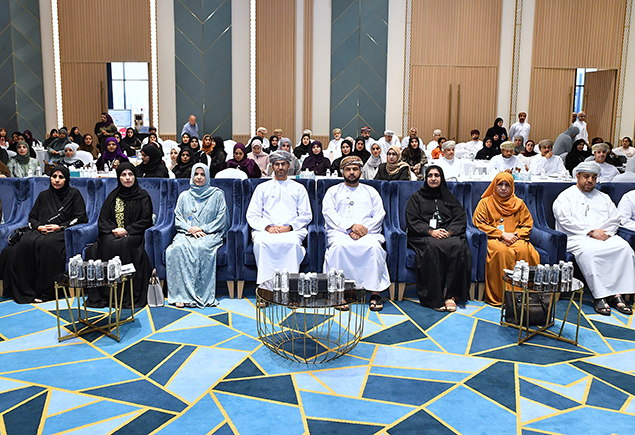
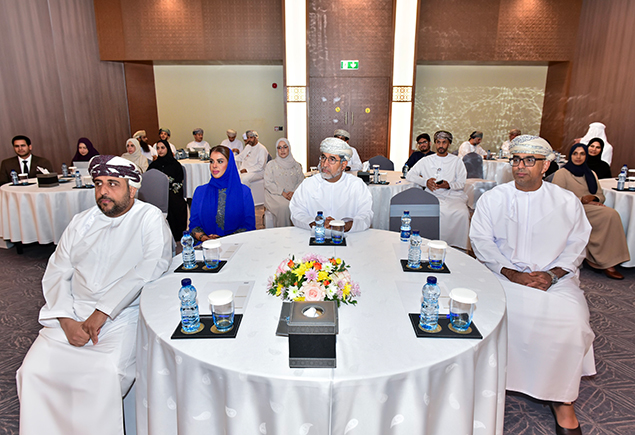
Reaffirming its commitment to strengthening infection prevention and control measures across all healthcare institutions and upholding the highest standards of quality and safety for patients and healthcare professionals, the Ministry of Health, represented by the Department of Disease Surveillance and Prevention at the Directorate General of Health Services in Muscat Governorate, organised the Fourth National Training Course on Infection Prevention and Control 2026 on Sunday.
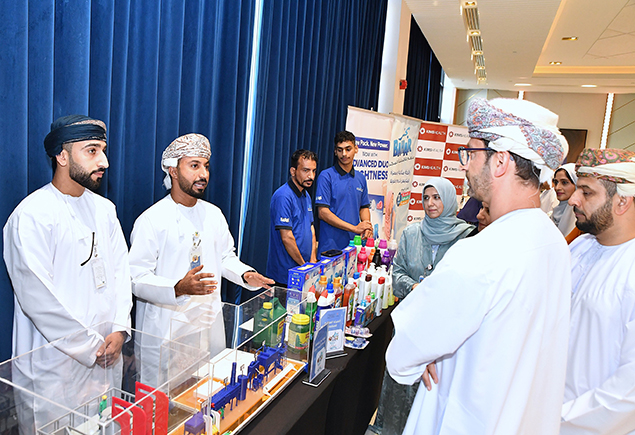
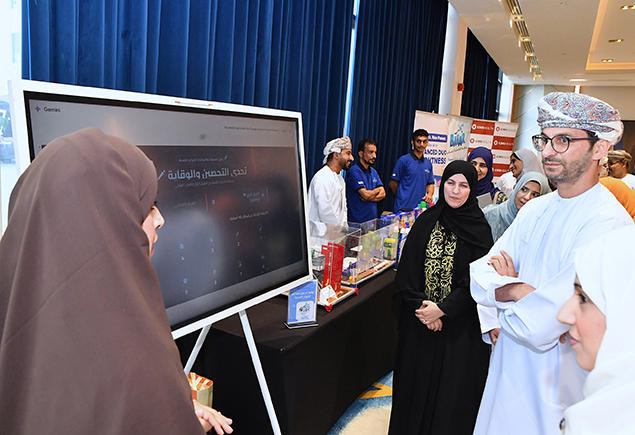
The five-day training course, held at Ma’ani Hotel, brings together approximately 200 participants, with 33 speakers delivering presentations and facilitating discussions across various scientific and practical sessions.
The course aims to standardise infection prevention and control practices in primary healthcare institutions in accordance with national and international standards, enhance the competencies and professional capacities of healthcare personnel, and strengthen epidemiological surveillance, early reporting of communicable diseases, and outbreak management.
It also seeks to improve field auditing mechanisms and translate audit findings into effective corrective measures that contribute to improving healthcare quality and reducing the risk of infection transmission.
In his welcoming remarks, Dr. Yousuf bin Mohammed Al Farsi, Director General of Health Services in Muscat Governorate, stated that the course forms part of the Directorate General’s ongoing efforts to strengthen infection prevention and control systems across primary healthcare institutions.
He emphasised that investing in the training and professional development of healthcare personnel is a fundamental pillar in ensuring the effective implementation of preventive measures, maintaining a safe healthcare environment, and improving the quality of services provided to patients and other beneficiaries.
Dr. Zakariya bin Yahya Al Balushi, Director General of the Centre for Disease Control and Prevention, who presided over the opening ceremony, highlighted the importance of strict adherence to approved infection prevention and control policies and procedures across all healthcare institutions.
He stressed that professional discipline in implementing infection control protocols, sterilisation and disinfection procedures, hand hygiene practices, and the safe handling of medical instruments and supplies is a fundamental responsibility shared by all healthcare professionals.
Dr. Al Balushi further underscored that these measures constitute the first line of defence in protecting patients, healthcare workers, and the wider community against the risks of infection.
Meanwhile, Dr. Zainab bint Abdul Razzaq Al Balushi, Head of the Infection Control Section at the Directorate General of Health Services in Muscat Governorate, affirmed that the Ministry of Health places infection prevention and control among its key priorities in developing a safe and sustainable healthcare system.
She explained that these efforts include updating national guidelines and protocols, strengthening training and professional development programmes, and intensifying monitoring, evaluation, and inspection activities to ensure compliance with infection control standards across healthcare institutions.
These measures, she added, are essential to fostering a culture of safety, professional accountability, and continuous improvement in healthcare quality.
The opening ceremony also witnessed the launch of the Sterilization Services Training Programme and the Unified Infection Prevention and Control Guidelines for Primary Healthcare.
These initiatives aim to standardise professional procedures and practices, improve the efficiency of sterilisation services, and provide healthcare professionals with a unified practical reference to support the consistent implementation of infection prevention and control standards across healthcare institutions.
The training programme covers a broad range of scientific and practical topics, including hand hygiene, standard infection prevention precautions, central sterilisation services, environmental cleaning and disinfection, safe medical waste management, and prevention of occupational exposure to blood and bodily fluids.
Other key topics include healthcare worker screening and immunisation, antimicrobial stewardship, and strategies to address multidrug-resistant organisms.
The programme also addresses epidemiological surveillance and outbreak management, healthcare-associated infections, infection prevention and control in haemodialysis units, water quality and safety, occupational risk assessment, and the role of leadership and administrative oversight in ensuring compliance with preventive measures.
In addition, participants will review the findings of field audits conducted at healthcare institutions and explore mechanisms for translating these findings into actionable improvement plans and corrective measures that can be effectively implemented and monitored.
The course targets infection prevention and control specialists and coordinators working in primary healthcare institutions across Muscat Governorate, alongside physicians, nurses, technical personnel, and staff involved in central sterilisation services.
It also brings together administrative and technical partners from medical supply services, warehouses, engineering, maintenance, and healthcare administration, reflecting the principle that infection prevention and control is a shared institutional responsibility requiring coordinated efforts and commitment from all personnel.
The course forms part of the Ministry of Health’s ongoing efforts to achieve the objectives of Oman Vision 2040, particularly its health priority and strategic direction towards establishing “A Leading Healthcare System with International Standards.”
Through developing qualified national healthcare professionals, improving the quality of preventive healthcare, promoting the principle that “Health is Everyone’s Responsibility,” and strengthening the preparedness of healthcare institutions to respond to communicable diseases and public health risks, the Ministry continues to advance its commitment to protecting individual and community health and ensuring the long-term sustainability of the healthcare system in the Sultanate of Oman.