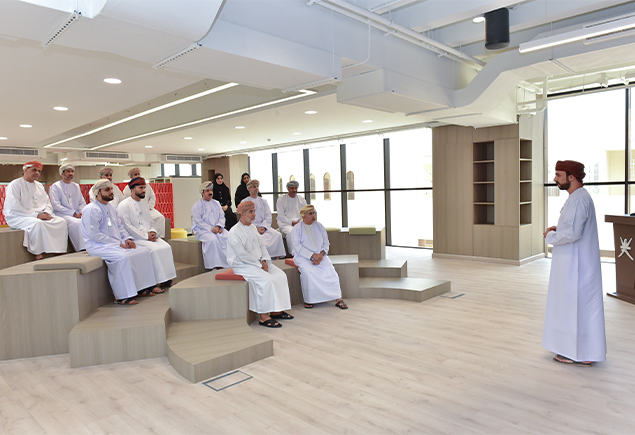
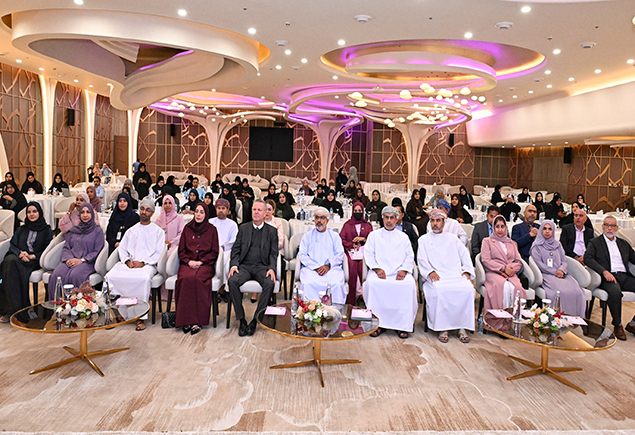
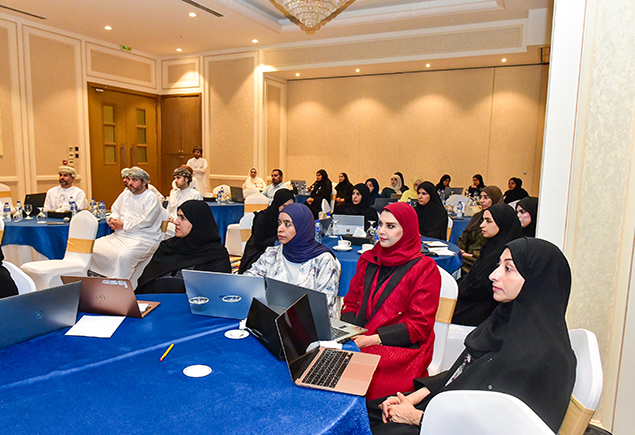
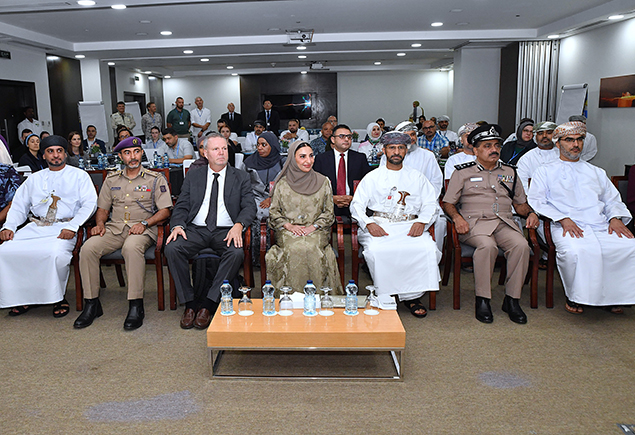
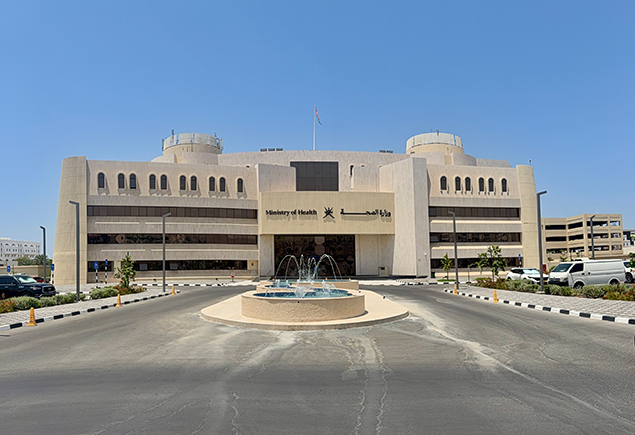
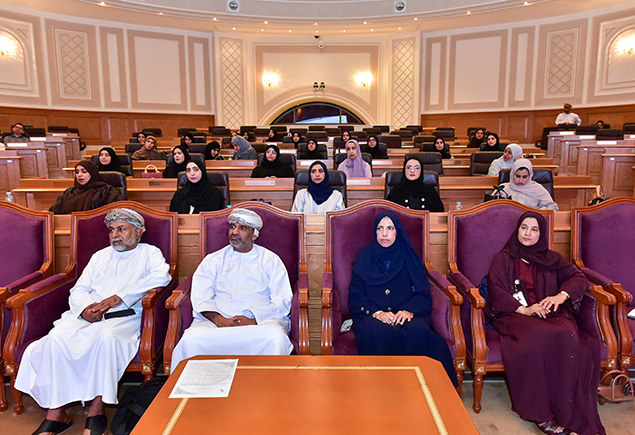
The Ministry of Health (MOH), represented by the Center for Disease Control and Prevention, launched on Wednesday the Naqaa Initiative at the Ministry’s Innovation Hall. The initiative aimed at enhancing the efficiency and sustainability of waste management across healthcare institutions.
The initiative was launched by H.E. Dr. Hilal bin Ali Al Sabti, Minister of Health, in the presence of H.E. Dr. Ahmed bin Salim Al Mandhari, MOH Undersecretary for Health Planning and Regulation, along with a number of ministry officials.
During the launching ceremony, His Eminence Judge Abdulrahman bin Saeed Al Maamari, Legal Adviser to the Minister of Health, delivered a speech in which he stated: “Driven by a spirit of teamwork, the outcomes of the One Government Team program, organized by the Royal Academy of Management, have culminated in the launch of the Naqaa Initiative in partnership with be’ah, the entity responsible for medical waste management”
He added: “Building on the outcomes of the One-Day Workshop of the One Government Team program, the initiative ambassadors reviewed and documented initiatives and experiences implemented within the Ministry. A total of 54 initiatives were identified and evaluated against a range of criteria.”
The Naqaa Initiative seeks to unify institutional efforts, strengthen governance, and improve waste management efficiency across healthcare institutions. It aims to safeguard public health and the environment, enhance service quality, and support sustainability goals in line with Oman Vision 2040.
The Naqaa Initiative is built around six integrated pillars: Chemical Waste Management, which focuses on developing and standardizing safe handling procedures for chemical waste and enhancing its management efficiency in accordance with approved standards and regulatory requirements; Infectious and Sharps Waste Management, aimed at strengthening the management of infectious and sharps waste in healthcare institutions and improving the quality of its collection, transportation, treatment, and safe final disposal; Standardized Guidelines and Procedures, which focuses on developing and updating guidance documents for hazardous waste handling and unifying operational procedures and practices across healthcare institutions; Capacity Building and Human Resources Development, which supports healthcare institutions through specialized personnel, clear roles and responsibilities, and the enhancement of employees’ knowledge, skills, and competencies in waste management; Governance and Centralized Support, which seeks to enhance technical supervision, monitoring, coordination, and centralized support, while strengthening governance mechanisms, accountability, institutional readiness, and operational efficiency; and Data, Monitoring, and Sustainability, which focuses on developing performance indicators, measuring compliance levels, establishing an integrated database for healthcare waste, conducting research and studies, analyzing reports, identifying and evaluating sustainability solutions and green initiatives, and supporting practices that contribute to waste reduction and efficient resource utilization.
It is worth noting that the Naqaa Initiative is one of the outcomes of the One-Day Workshops organized by the Royal Academy of Management and was developed to advance national initiatives that deliver sustainable and long-term impact.