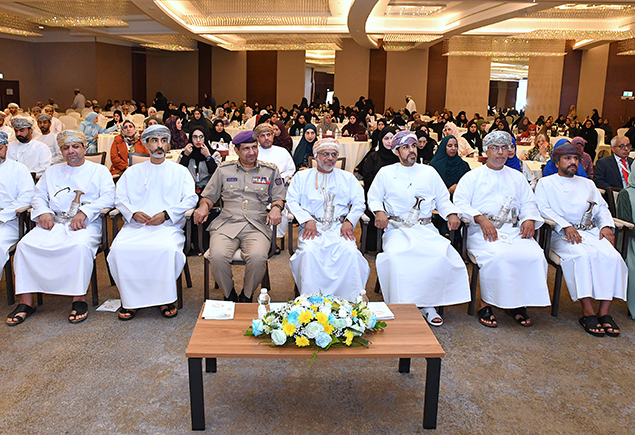
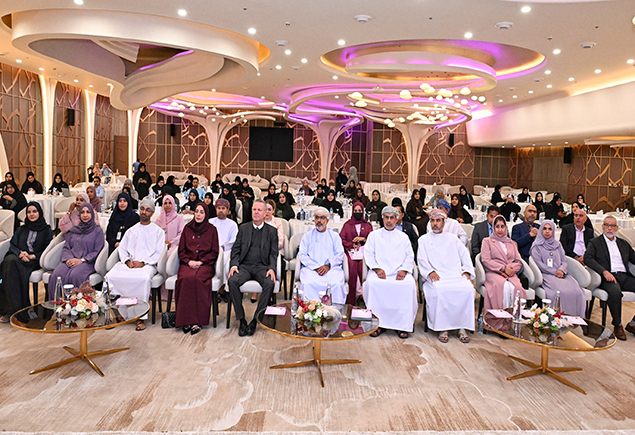
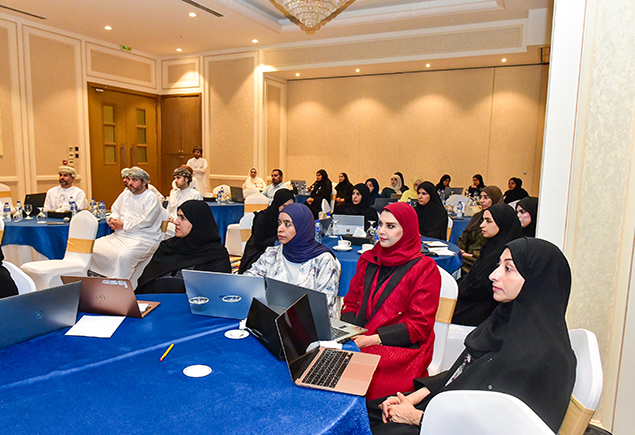
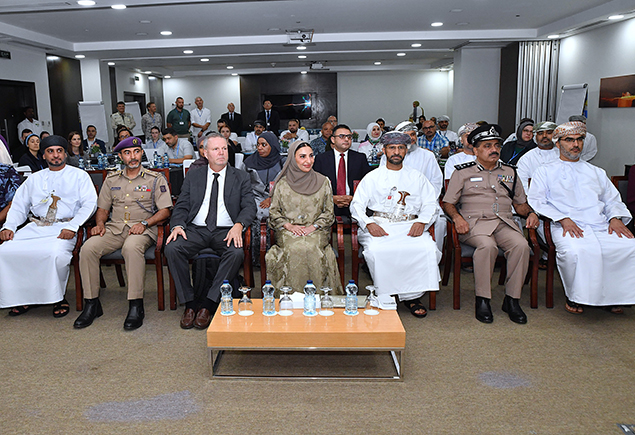
A significant advanced training program focused on response to Chemical, Biological, Radiological, Nuclear, and Explosive (CBRNE) incidents has been launched today (Sunday) at Crown Plaza Hotel.
The initiative, organized by the Ministry of Health, represented by the Directorate General of Khoula Hospital, is held in collaboration among the Ministry of Foreign Affairs, the Civil Defence and Ambulance Authority (CDAA), and the International Committee of the Red Cross (ICRC). The program, which includes specialized training in decontamination and medical response to CBRNE incidents, will run until the twentieth of next October.
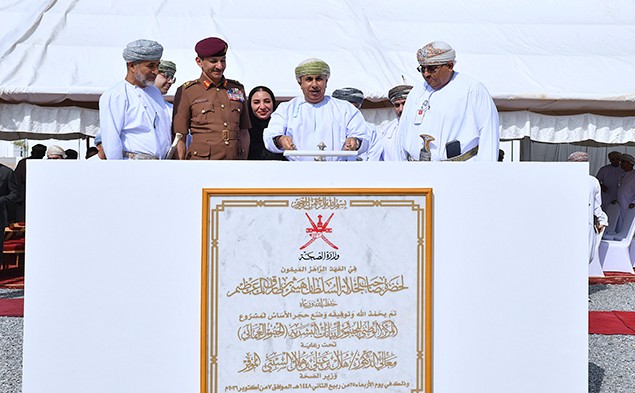
The launch ceremony was held under the patronage of His Excellency Dr. Abdullah bin Hamoud Al Harthy, Undersecretary of the Ministry of Social Development for Persons with Disabilities, with the presence of H.E. Ann Montavon, Head of Regional Delegation of ICRC, as well Dr. Rashid bin Mohammed Al Alawi, Director General of Khoula Hospital, along with several officials, specialists, and representatives from relevant authorities.
During the event, a cooperation framework agreement was signed between the Directorate General of Khoula Hospital and the ICRC. The agreement aims to support capacity building and enhance readiness for responding to chemical, biological, radiological, nuclear, and explosive incidents. It also covers training in medical decontamination and response to hazardous incidents.
The program aligns with the Sultanate of Oman’s efforts to enhance its national preparedness system for major incidents and hazardous materials. It seeks to improve the efficiency of health cadres in specialized medical response and strengthen integration and coordination between health institutions and relevant national bodies during emergencies and crises.
The program will benefit approximately 40 participants from various medical, health, and administrative specialties. Additionally, a specialized Training of Trainers (ToT) program will benefit around 20 participants, qualifying them as national trainers capable of transferring knowledge and expertise in CBRNE response and medical decontamination.
Dr. Rashid bin Mohammed Al Alawi, KH Director General, stated that the implementation of this specialized training program reflects the Ministry of Health's commitment to enhancing the health system's readiness and raising the efficiency of national cadres in dealing with various major incidents and hazardous materials. He emphasized that effective response to such incidents requires a high level of qualification, training, and integration among various relevant authorities.
He further noted that hosting the program at Khoula Hospital reflects the importance of enhancing the role of referral health institutions in medical response to major incidents. It contributes to raising the readiness of medical teams to handle cases that may require specialized procedures, particularly regarding medical decontamination and the protection of patients and health workers.
Dr. Thuraya Al Sulaimi, Chairperson of the Emergency and Crisis Management Plan Committee at Khoula Hospital, explained that the program will focus on enhancing integration between various teams, specialties, and relevant authorities, while raising the level of coordination during incident response. This ensures clarity of roles, responsibilities, and rapid decision-making.
The program includes theoretical sessions and practical applications covering safe and effective response mechanisms for hazardous incidents. Topics include risk assessment, management of exposure and contamination cases, triage, evacuation, medical decontamination procedures, and methods for protecting patients and health workers.
International experts from ICRC are participating in the program, contributing to the transfer of international expertise and best practices in CBRNE response and risk management. This supports national capacity-building efforts and the development of professional practices in this field.
The program will conclude its sessions on October 20th. Upon completion of the theoretical and practical training, it will mark an important milestone in developing national capacities and qualifying cadres capable of responding to major incidents and hazardous materials, as well as continuing the transfer of knowledge and training within relevant health institutions and authorities.
The implementation of the program and the signing of the cooperation framework agreement reflect the importance of partnership and integration between various national and international bodies. It also highlights investment in national competencies and the development of their capabilities, contributing to supporting the health emergency system and raising the readiness level of the Sultanate of Oman to deal with various types of major incidents and hazardous materials.