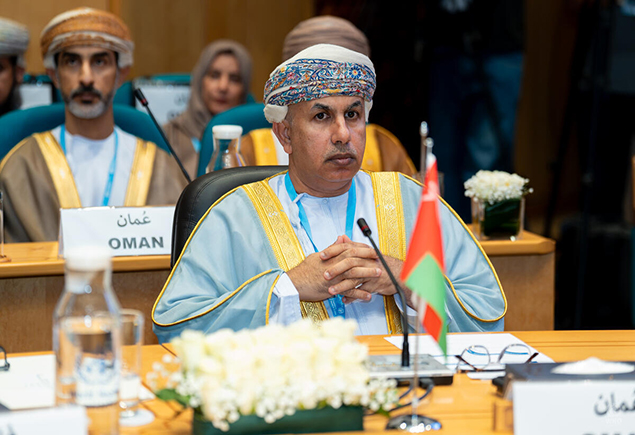
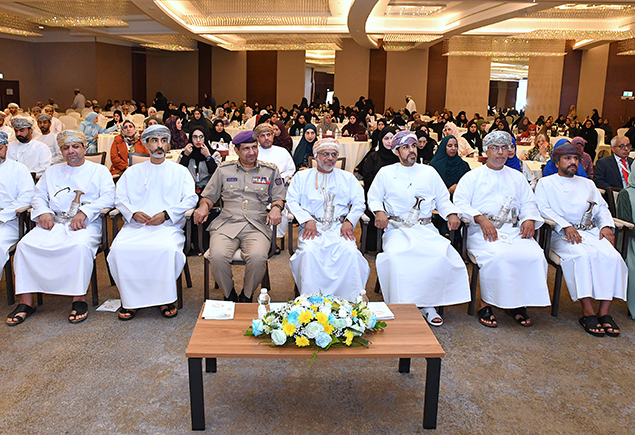
The 73rd session of the World Health Organization (WHO) Regional Committee for the Eastern Mediterranean (RC73) commenced on Tuesday evening in Cairo, Egypt. The Sultanate of Oman is participating in the session through an official delegation from the Ministry of Health, headed by H.E. Dr Hilal bin Ali Al Sabti, Minister of Health and Vice-Chair of the Bureau of the WHO Regional Committee for the Eastern Mediterranean.
The session, held under the theme “Together for a Healthier Future: Action, Access, Equity,” brings together health leaders and decision-makers from across the WHO Eastern Mediterranean Region. It provides an opportunity to convene and reflect on shared public health challenges and align efforts towards building a healthier future for all.
In Oman’s statement, H.E. Dr Hilal Al Sabti, Minister of Health, emphasized the importance of continued investment in resilient health systems built on primary healthcare and universal health coverage, ensuring continuity of services and equitable access, particularly for the most vulnerable populations and those affected by crises.
He added that the Sultanate of Oman continues to translate these priorities into tangible national action. In the field of prevention and health security, Oman has maintained high polio immunization coverage, exceeding 99%, while strengthening its surveillance, preparedness and response systems. Oman also continues its efforts to combat antimicrobial resistance (AMR), guided by the commitments set out in the 2022 Muscat Ministerial Declaration and reinforced through the One Health approach and multisectoral collaboration.
The Minister of Health emphasized that digital transformation, data, and artificial intelligence offer a strategic opportunity to advance health systems across the Region. He underscored the need to develop clear governance frameworks, enhance interoperability, and ensure the responsible, trustworthy use of technology to improve the quality of healthcare services and support evidence-based decision-making. These efforts align with the report’s priorities to expand the use of digital technologies, promote knowledge exchange, and strengthen evidence-based policymaking.
He further noted that the challenges facing the Region call for greater solidarity and collective regional action, increased exchange of expertise and data, and capacity-building, alongside support for countries affected by conflicts and emergencies. He also underscored the importance of protecting health workers and healthcare facilities and ensuring the continuity of essential health services for affected populations.
In concluding his remarks, H.E. Dr Hilal Al Sabti reaffirmed the Sultanate of Oman’s support for the efforts of the Regional Office and its commitment to continued cooperation with the World Health Organization and Member States to translate the priorities outlined in the report into tangible, sustainable outcomes that positively impact the health of people across the Region.
The meeting’s agenda includes a series of deliberations on health issues across the WHO Eastern Mediterranean Region, particularly the key health challenges facing the region. The meetings will explore new strategies to inform decisions aimed at improving the future of health across the region. They will also review a number of health-related papers, facilitate the exchange of information, views and expertise on health issues of concern to participating countries, and adopt decisions to strengthen healthcare and improve the quality of health services throughout the region.
The meetings will address routine procedural matters, including the election of the Committee’s Bureau, adoption of the agenda and appointment of a Credentials Committee. The WHO Regional Director for the Eastern Mediterranean also presented the Annual Report for 2025/2026.
Moreover, participants will discuss several key topics, including advancing health financing to strengthen financial protection in the Eastern Mediterranean Region; a multi-communicable disease elimination approach for the Eastern Mediterranean Region; health emergencies in the Eastern Mediterranean Region; and the importance of polio eradication in the region.
The closed meeting on the second day focuses on the State of Kuwait Foundation Prize for the Control of Cancer, Cardiovascular Diseases and Diabetes in the Eastern Mediterranean Region, as well as the Dr A.T. Shousha Foundation Prize. Discussions will also address the proposed change to the frequency of the awards.
Furthermore, participants will review technical resolutions and governance matters, the proposed Programme Budget for 2028–2029, and regionally relevant resolutions and decisions adopted by the Seventy-ninth World Health Assembly and the Executive Board at its 158th and 159th sessions. The provisional agenda for the 160th session of the WHO Executive Board will also be reviewed.
On the final day, a panel discussion will be held under the title “Artificial Intelligence for Health in the WHO Eastern Mediterranean Region: Priorities and Considerations.”
Oman’s participation in these meetings underscores its commitment to supporting global health efforts and strengthening its partnerships with international organizations, particularly the World Health Organization, in pursuit of a more sustainable health future for the region and the world.