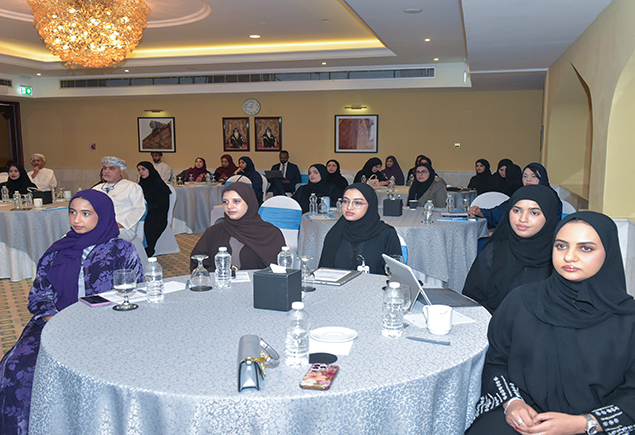
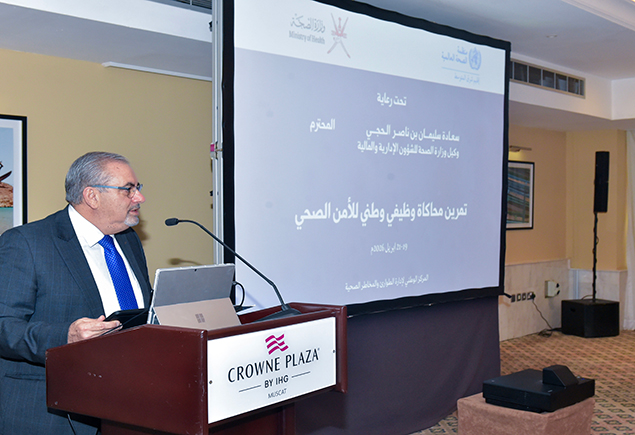
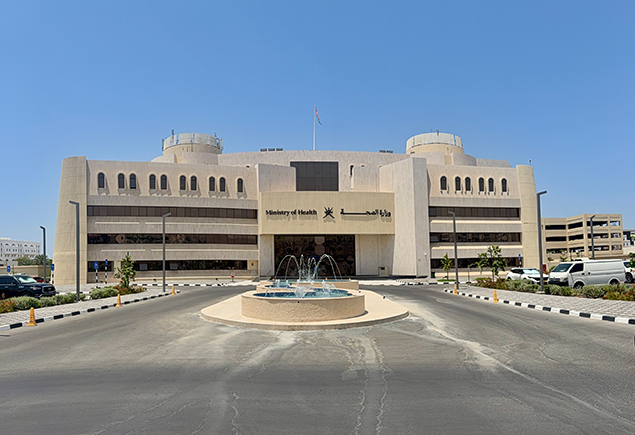
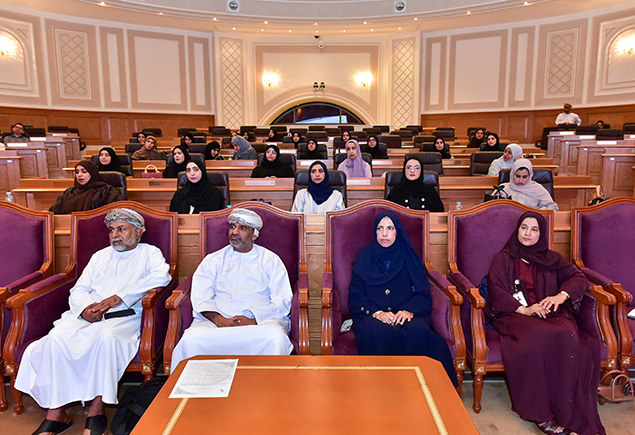
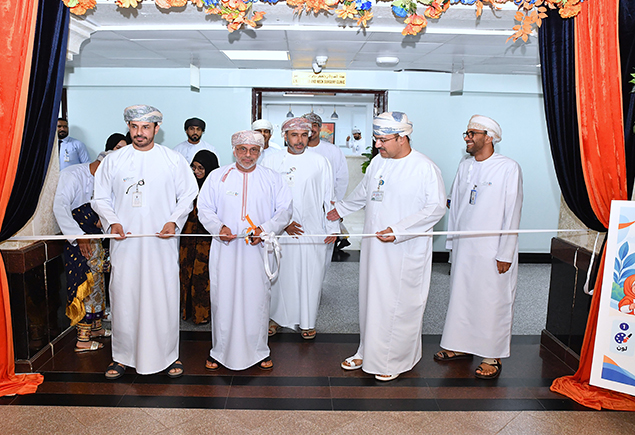
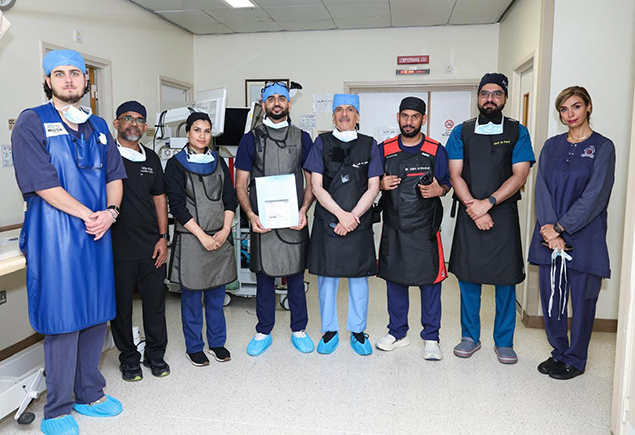
As part of ongoing efforts to strengthen national health security system preparedness and improve the efficiency of risk management and emergency response, a national IHR simulation exercise, organized by the Ministry of Health, represented by the National Centre for Emergency and Health Risk Management, in collaboration with the World Health Organization (WHO), was commenced today (Sunday) at Crowne Plaza Hotel.
The opening of the event was held under the patronage of H.E. Sulaiman Nasser Al-Haji, MOH’s Undersecretary for Administrative and Financial Affairs, with the attendance of a select group of specialists from DGs at Ministry’s HQ, along with representatives from emergency management sectors.
The three-day exercise focuses on several key areas, most notably: assessing national response capabilities through realistic simulation scenarios, enhancing risk communication, and activating community engagement as a key partner in emergency management. It also includes evaluating the effectiveness of coordination among various sectors, activating the role of the National IHR Focal Point, and improving the efficiency of laboratory systems and referral chains to ensure continuity of health services amid an influx of emergency cases.
This exercise is designed to test the efficiency of operational processes and identify potential gaps in responding to health crises, thereby strengthening Oman's profile in the annual State Parties Self-Assessment Annual Reporting (SPAR) under the International Health Regulations (IHR).
The exercise methodology is based on simulating a disease outbreak, allowing for a practical test of the capabilities of health authorities, laboratories, and risk management teams in crisis situations.
The simulation will conclude with a technical discussion session supervised by experts from the WHO and the National Center, aimed at extracting lessons learned and identifying opportunities for improvement.
The outcomes of this exercise are expected to contribute to updating national preparedness plans and strengthening capacity-building programs, ultimately supporting the development of a resilient health system capable of efficiently handling various health risks.