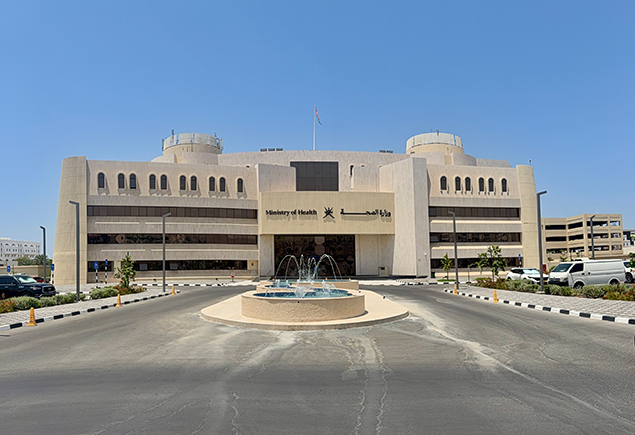
The Sultanate of Oman, represented by the Ministry of Health (MOH), has demonstrated a prominent health diplomacy presence in Geneva, Switzerland, as H.E. Dr. Hilal bin Ali Al Sabti, Minister of Health, participated within a single day in four high-level international and regional forums held on the sidelines of the Seventy-ninth World Health Assembly (WHA79). These engagements are interconnected by a shared objective: shaping a healthier, more equitable, and sustainable future for global health systems.
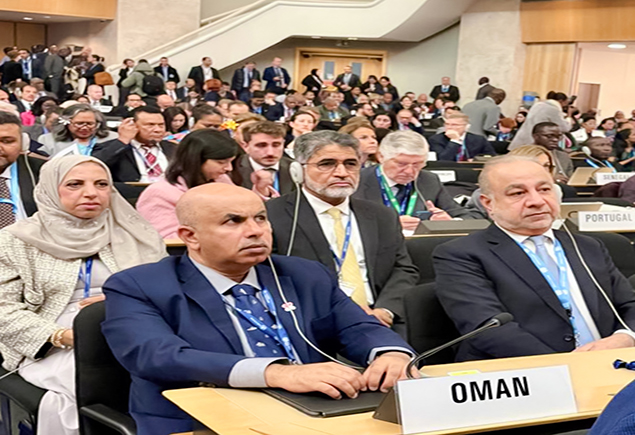
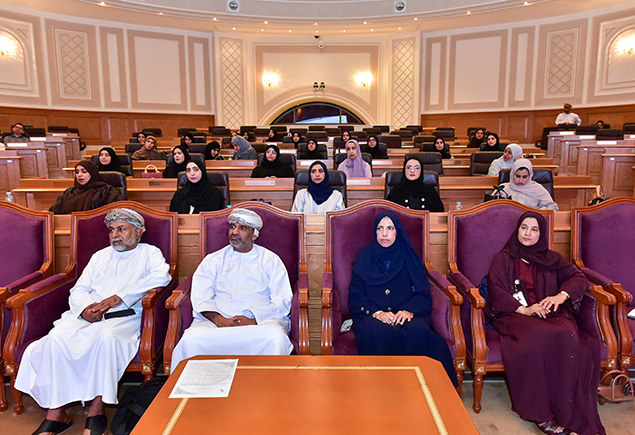
At the opening session of the Seventy-ninth World Health Assembly, held at the United Nations headquarters, H.E. Dr. Hilal bin Ali Al Sabti, Minister of Health, delivered a statement that served as a position paper for the Sultanate of Oman before global health leaders. He emphasized that building strong health systems is no longer a sectoral option, but a developmental, security, and strategic imperative. He called for an integrated approach based on four pillars: strengthening primary healthcare and prevention, investing in data and innovation, enhancing health system preparedness, and ensuring sustainability.
The Minister highlighted that the Sultanate of Oman continues to advance comprehensive health reforms under Oman Vision 2040, including digital transformation, strengthened data governance, and the consolidation of the “One Health” approach. He noted that this year’s Assembly agenda places particular emphasis on strategic priorities such as health financing, digital health, global health system reform, and the response to non-communicable diseases.
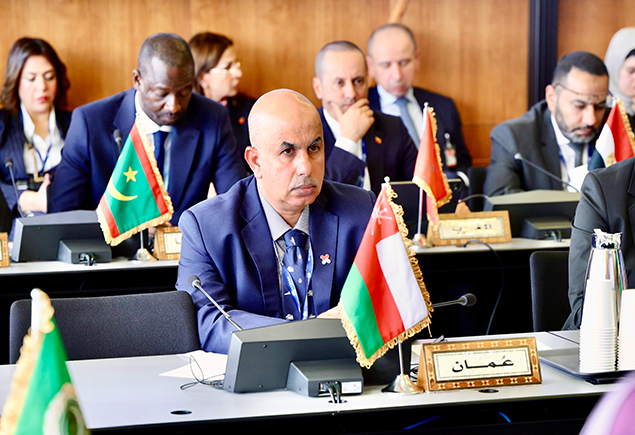
On the sidelines of the Assembly, H.E. the Minister of Health also participated in the meeting of the Arab Ministers of Health Council at the World Health Organization headquarters, where Arab health leaders convened in an open dialogue focused on three main pillars: strengthening coordination among Arab health systems to speak with a unified voice in international forums, exchanging expertise in digital transformation and health system reform, and addressing regional challenges posed by diseases, epidemics, and health emergencies.
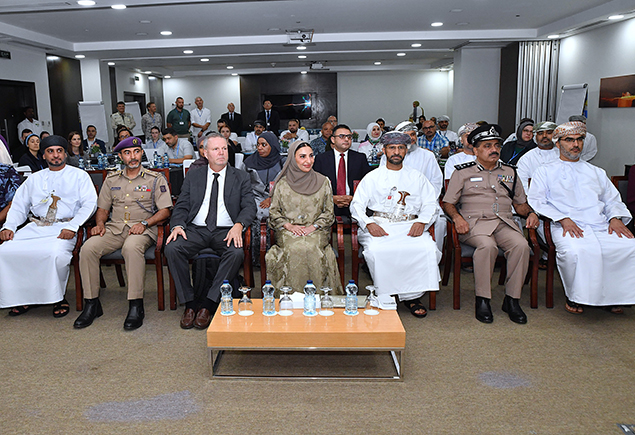
Within an integrated health-economic diplomacy framework, H.E. the Minister of Health participated as guest of honor in the High-Level Arab–Swiss Health Dialogue, organized by the Arab-Swiss Chamber of Commerce and Industry (CASCI). The event brought together Arab health ministers and senior executives from leading Swiss companies in the health and technology sectors.
Discussions focused on advancing digital health, strengthening governance of artificial intelligence in healthcare, and exploring long-term investment opportunities in the health sector.
H.E. the Minister indicated, in his speech, that Oman’s health journey is anchored in Oman Vision 2040, which elevates health from a service sector to a pillar of national development and progress. He explained that this transformation is built on five key pillars: strengthening public health and prevention, embedding universal health coverage as a human right rather than a privilege, developing highly skilled national healthcare professionals, establishing governance and transparency standards, and reinforcing pharmaceutical security alongside digital transformation and a culture of innovation.
H.E. the Minister affirmed that the Sultanate of Oman is building an integrated national digital health ecosystem that enables data-driven governance and enhances the patient experience, stressing that this is not an experimental initiative but a “firm strategic commitment grounded in the principles of data sovereignty and national sustainability.”
Al-Sabti presented Oman as an exceptional partner, built on three core pillars: political stability, long-term institutional vision, and a commitment to excellence. He further emphasized that Oman’s ambition extends to contributing to the development of regional and international health systems.
At the end of the day, H.E. Dr. Hilal bin Ali Al Sabti, Minister of Health, led the Omani delegation at the ministerial meeting of the “Alliance of Champions to Combat Antimicrobial Resistance (AMR),” organized by the Kingdom of Sweden. AMR is increasingly recognized in international warnings as one of the most serious long-term global health threats.
The meeting addressed a comprehensive roadmap based on the “One Health” approach, focusing on rationalizing the use of antibiotics, strengthening epidemiological surveillance systems, and supporting innovation in therapeutic solutions.
The Sultanate of Oman’s participation in this alliance reflects the extension of its national health security strategy, affirming that it does not merely endorse commitments, but actively works to translate them into tangible policies and programs.